A Short History of the Cat-Eye Frame
From mid-century glamour to modern minimalism, the upswept frame keeps reinventing itself.
By Lumora Editorial Team · July 14, 2026 · 4 min read
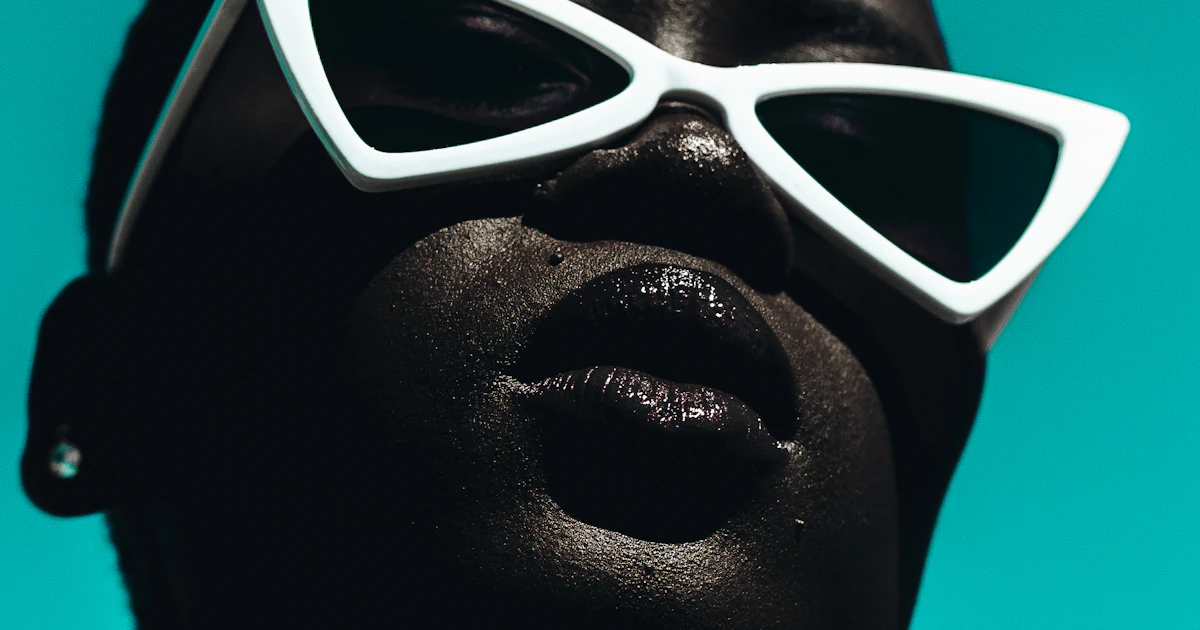
Few frame shapes are as instantly recognisable as the cat-eye. Its upswept outer corners have signalled glamour for decades — and the shape keeps finding new audiences.
Mid-century beginnings
Upswept frames became fashionable in the mid-20th century, when designers began treating glasses as accessories rather than purely medical devices. Plastics such as cellulose acetate allowed bold shapes and colours that metal frames could not achieve.
The 1950s and 60s
The silhouette became strongly associated with 1950s fashion and Hollywood style, often decorated with metallic accents or rhinestones at the corners. Sunglasses in the same shape followed.
Quiet decades and revivals
As fashions changed, oversized and aviator frames took centre stage. But the cat-eye never disappeared, returning with each wave of retro-inspired style.
The modern cat-eye
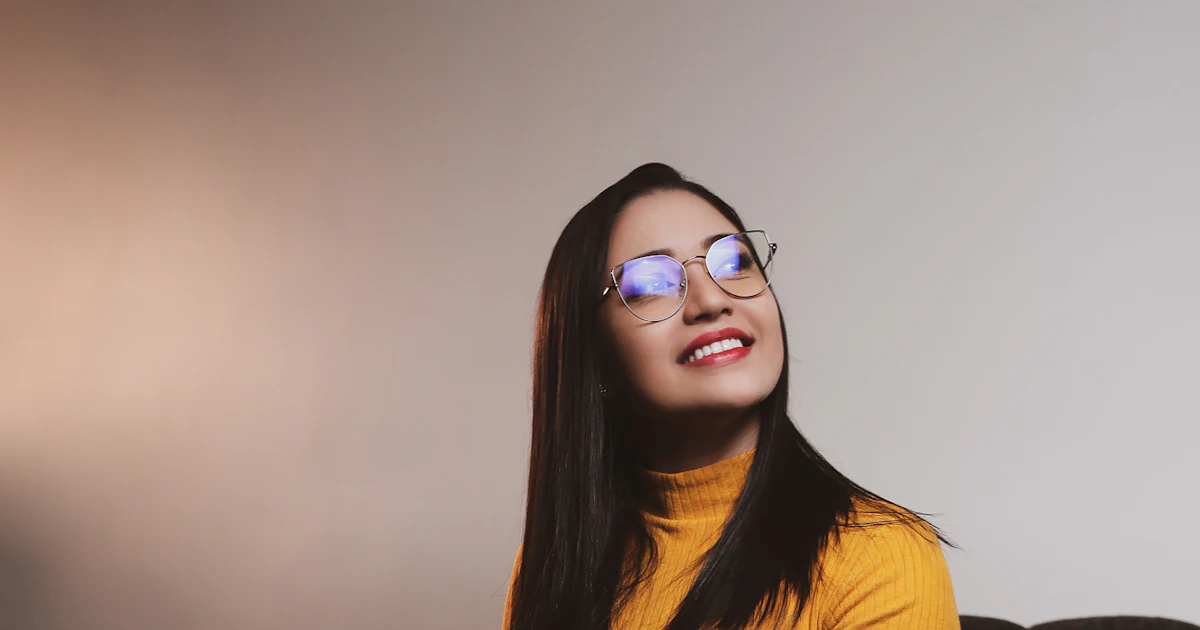
Today's versions range from subtle — a slight lift on a rounded square — to dramatic, sharply pointed shapes. Thin metal cat-eyes feel minimal and modern; thick acetate in tortoise or crystal nods to the original era.
Who it suits
The upswept line draws attention upward, which can balance diamond, triangle and square face shapes. But style rules are only a guide. Explore our cat-eye eyeglasses and see what works for you.
This article is general information and not a substitute for advice from a licensed eye-care professional.