Avoiding Eye Strain While Using Modern Technology
Practical habits for long screen days — from the 20-20-20 rule to better desk lighting.
By Lumora Editorial Team · October 20, 2026 · 5 min read

Laptops, phones, tablets and second monitors mean many of us spend most of our waking hours focused on something less than an arm's length away. It is no surprise that tired, dry or uncomfortable eyes at the end of the day are a common complaint.
This article covers general comfort habits. It is not medical advice: if discomfort is persistent, or your vision changes, book an exam with a licensed eye-care professional.
Why screens can feel tiring
When you focus on something close, the small muscles inside your eye work to keep it sharp. Holding that focus for hours without a break can feel tiring. People also tend to blink less when concentrating on a screen, which can leave the eye surface feeling dry. Glare, small text and poorly placed monitors add to the effort.
The 20-20-20 habit
A widely shared rule of thumb is: every 20 minutes, look at something about 20 feet (6 metres) away for 20 seconds. It gives your focusing system a short rest. Many people find a recurring reminder or a timer app helps until it becomes automatic.
Set up your workspace
- Place your monitor roughly an arm's length away, with the top of the screen at or slightly below eye level.
- Increase text size rather than leaning in.
- Match screen brightness to the room — a glowing screen in a dark room is hard work.
- Position screens so windows are to the side, not directly behind or in front of you.
- Reduce reflections from overhead lights; an anti-reflective coating can also cut reflections from your lenses themselves.
Blink and hydrate
Make a conscious effort to blink fully, especially during intense focus. Room humidity, air vents blowing towards your face and dehydration can all make eyes feel drier.
What about blue-light glasses?
Blue-light filtering lenses are a popular choice, and some people simply prefer the warmer view. However, current research has not shown that they prevent eye strain or eye disease. Breaks, ergonomics and an up-to-date prescription usually matter more. Our blue-light lens page explains the options honestly.
Keep your prescription current
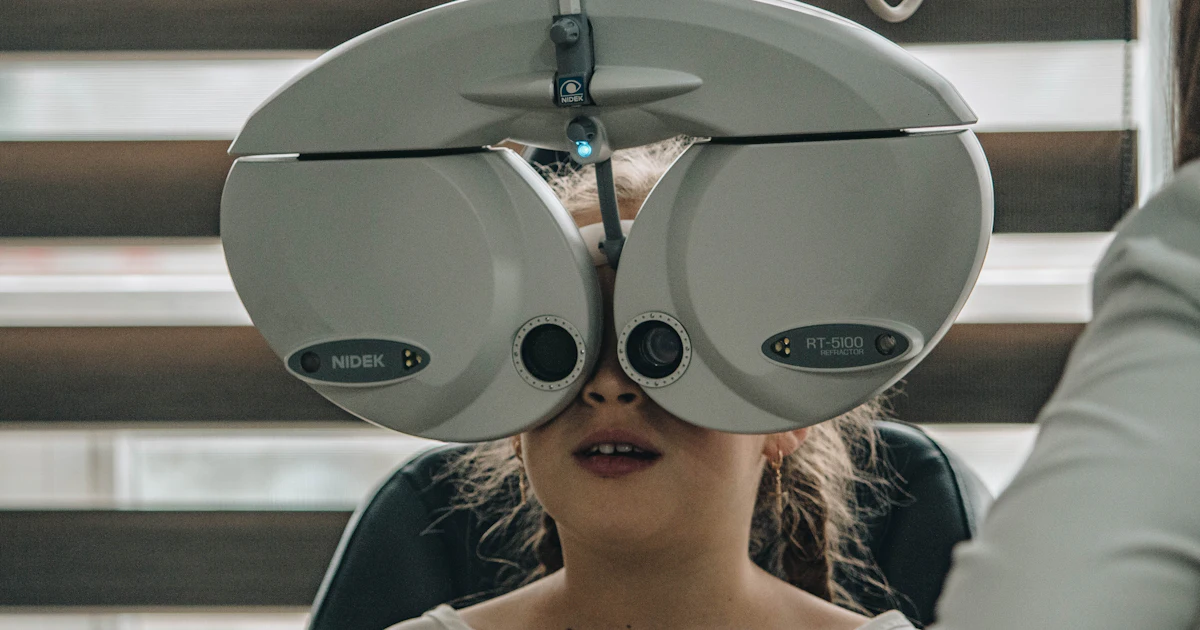
An outdated prescription — or a small uncorrected astigmatism — can make screen work feel harder. Some people benefit from glasses designed specifically for computer distance. Ask your eye-care professional whether that makes sense for you.
Small changes add up. Try one or two of these habits this week and notice how your eyes feel by Friday.
This article is general information and not a substitute for advice from a licensed eye-care professional.